• Visiting the Orphan Train Museum in Concordia, Kansas, and the Depots Nearby

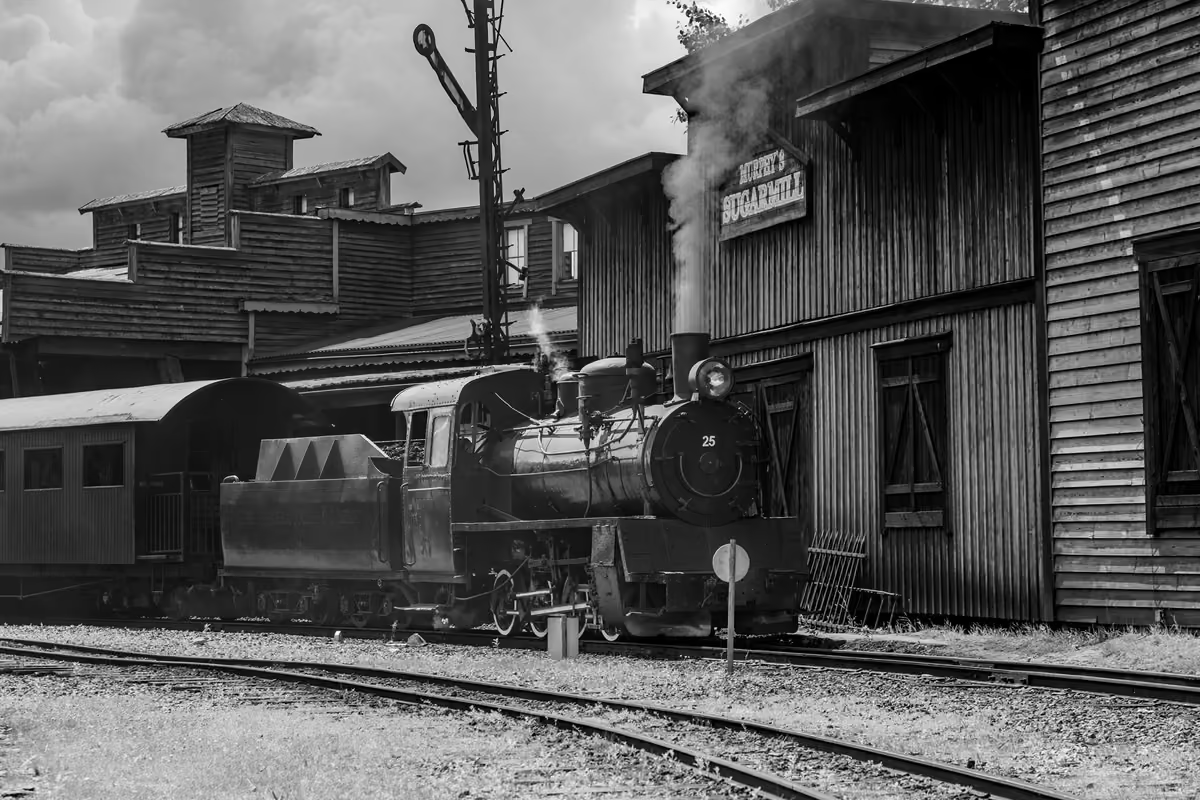
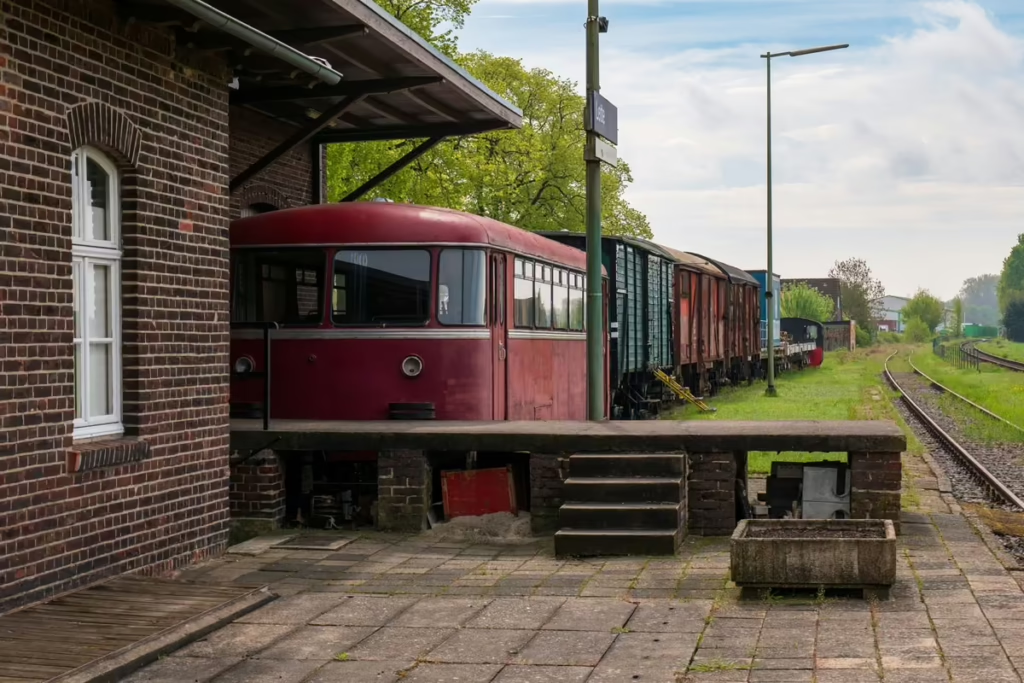
    Old red rail cars beside a brick country station platform
    A quiet country station with old rail cars on a siding. Depots like this were where many riders first met the families who took them.

    Photo: Sergej ***** / Pexels

    You come into Concordia across open farmland, and the first thing that tells you this town is different is a bronze child standing on a downtown sidewalk with a small suitcase. Then you see another. The statues of orphan train riders are scattered through the center of town, each one telling a short story.

    The museum in the depot

    The National Orphan Train Complex is housed in the restored Union Pacific depot, a handsome brick building from the early twentieth century. It’s the museum and research center for the whole movement, not just for Kansas. Inside you’ll find exhibits on how placing out worked, the agencies that ran it and the children who rode, with photographs, small belongings, letters and recorded memories.

    Give yourself at least two hours. The displays aren’t huge, but the stories slow you down. I watched one older man stand in front of a single photograph for ten minutes, and nobody hurried him.

    If you’re researching a rider

    The complex also runs a research center that holds files on many riders and collections gathered by rider groups over the decades. If you’re tracing someone in your own family, contact the staff before your trip.

    Tell them the rider’s names, both birth and adopted if you know them, and any dates or towns. They can tell you what they hold and how long a search might take. Arriving with your notes in order will make the visit far more useful.

    The statues around town

    Pick up a map of the rider statues and walk the route. Each bronze represents a real rider, with a plaque telling where they came from and where they went. It’s an easy walk of an hour or so, and it turns the downtown into a kind of open-air chapter of the museum.

    Make a day of it

    Concordia is worth more than a single stop.

    • The Brown Grand Theatre. A grand old opera house from 1907, restored and still used for performances. If it’s open for tours, take one.
    • The Cloud County Historical Society Museum. A classic county museum with farm tools, household goods and local history, a good companion to the depot.
    • The surrounding depots. Many small towns along the old rail lines in Kansas and Nebraska still have their depots, some turned into local museums or community halls. Driving the back roads between them gives you a feel for the distances riders traveled and the towns where many of them grew up.

    Before you go

    Hours change with the seasons and some days the museum is closed, so check before you set out.

    Concordia also holds an annual celebration of the orphan train riders, and the town is busy that weekend.

    If you want quiet time with the exhibits, choose another date. If you want to meet riders’ families and hear their stories, that weekend is exactly the time to go.

    Bring a notebook. Everyone I’ve taken there has left wanting to write something down.
  • A Short History of Foster Care, From the Orphan Trains to Today

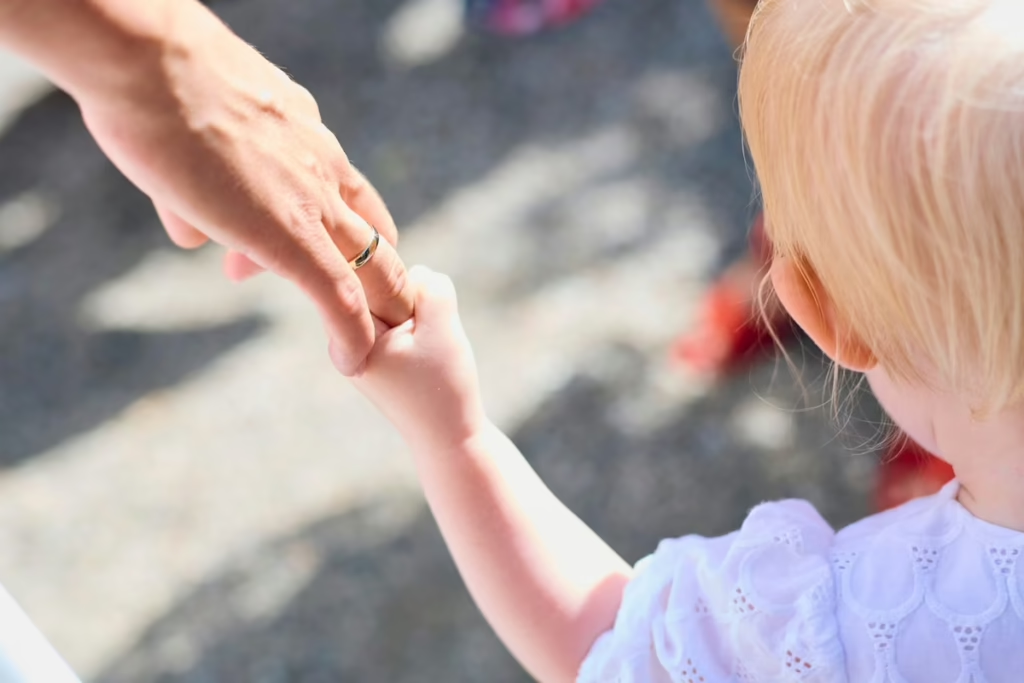
    Young child holding an adult hand outdoors
    A child’s hand in an adult’s. The question at the center of foster care has barely changed in a hundred and seventy years.

    Photo: Rene Terp / Pexels

    My own family was assembled the modern way, through foster care and then adoption, and for years I assumed the system was something new. Then I started reading about the orphan trains and recognized the questions immediately. Who decides where a child lives? How do you check on them afterward? When should a family be helped to stay together instead of being split up? Americans have been arguing about those questions since the 1850s, and the answers have changed more than once.

    Before foster care: almshouses and asylums

    In the early nineteenth century, a child whose parents couldn’t care for them usually went to an almshouse alongside poor adults, or to an orphan asylum run by a church or charity. Some were indentured as apprentices. The idea that a child belonged with a family rather than in an institution wasn’t yet the default.

    Placing out, 1854 onward

    The orphan trains changed that. Charles Loring Brace and the Children’s Aid Society argued that a family home, even a stranger’s, was better than an institution. The trains put that belief into practice on a vast scale. Placing out wasn’t foster care as we know it now. There was little screening, little supervision and often no payment, and many children worked hard for their keep. But the central idea, a child in a family instead of a building, became the root of everything that followed.

    Boarding out and paid care

    By the 1860s some states and charities began paying families to take children in, a practice called boarding out. Massachusetts was an early leader. Paying families changed the relationship. It allowed agencies to set expectations and to inspect homes, and it made it possible to place children nearby rather than across the country.

    A turning point in 1909

    In 1909 President Theodore Roosevelt called the first White House Conference on the Care of Dependent Children. Its best-known conclusion was that home life is the highest product of civilization and that children should not be taken from their families for reasons of poverty alone. That idea took decades to put into practice, but it marked the point when keeping families together became an official goal. The federal Children’s Bureau followed in 1912.

    The federal role grows

    The Social Security Act of 1935 created federal support for poor families with children and for state child welfare services. Over the next decades states built public agencies, trained caseworkers and set licensing rules for foster homes. By the middle of the century foster care looked recognizably modern: paid, licensed, supervised and meant, at least in principle, to be temporary.

    Laws that shaped today’s system

    • 1974. The Child Abuse Prevention and Treatment Act required states to set up reporting and response systems.
    • 1978. The Indian Child Welfare Act responded to the large number of Native children removed from their families and communities.
    • 1980. The Adoption Assistance and Child Welfare Act pushed permanency planning, so children wouldn’t drift in foster care for years.
    • 1997. The Adoption and Safe Families Act set firmer timelines toward reunification or adoption.
    • 2018. The Family First Prevention Services Act shifted funding toward services that keep children safely at home.

    What changed, and what didn’t

    A great deal changed. Today there are home studies, caseworkers, court reviews and the clear goal of reuniting families when it’s safe. Hundreds of thousands of children are in foster care in the United States in a given year, and the most common outcome is still a return home.

    What didn’t change is the question at the center. Every rider who stood on a depot platform, and every child who arrives at a foster family’s door tonight, is living the same uncertainty: who will I live with, and will they keep me? Knowing that history doesn’t answer the question. It does remind me how long people have been trying to answer it better.

The children, agents and towns of the placing-out years, 1854 to 1929, and what the records still say about them.

True stories families tell, set down by our writers and by readers who want them kept.

The reading rooms, archives and historical societies that keep local history, and how to use them well.

Songs, ballads and the old craft of telling a true story out loud, from front porches to library stages.

Census pages, court dockets, church books and city directories: how to find your people in the record and keep the search honest.

Depots, main streets, county museums and the small towns worth a detour.

How placing children has changed since the trains stopped, and what has stayed the same.

The objects that carry a family history, and how to label, store and pass them on.

What were the orphan trains?

From 1854 to 1929, charities in New York and other eastern cities sent children west by rail to be placed with families in farm towns, most of them in the Midwest. Historians put the total somewhere between 200,000 and 250,000 children. Our history of the movement follows how it worked, town by town.

Who writes the magazine?

A small group of editors and contributors with an interest in family history and the towns where the trains stopped. Every story carries the name of the person who wrote it.

How can I tell if someone in my family rode one?

Start with what relatives remember, then look for the child in census records near the town where they were placed. A sudden new name in a farm household is often the first clue. We walk through the records step by step in how to find your ancestors.

Can I send you my family’s story?

Yes. Letters from descendants are how many of our stories begin. Tell us what you know, even if it is only a name and a year, through the share a story page.

Where can I see this history in person?

The National Orphan Train Complex in Concordia, Kansas, is a museum and research center in the town’s restored Union Pacific depot. It keeps files on many riders and is the best single stop for a family visit.

What if I spot a mistake?

Write to the editor and point us to your source. We check it, fix the story and note the change on the Sources & Corrections page.