
You come into Concordia across open farmland, and the first thing that tells you this town is different is a bronze child standing on a downtown sidewalk with a small suitcase. Then you see another. The statues of orphan train riders are scattered through the center of town, each one telling a short story.
The museum in the depot
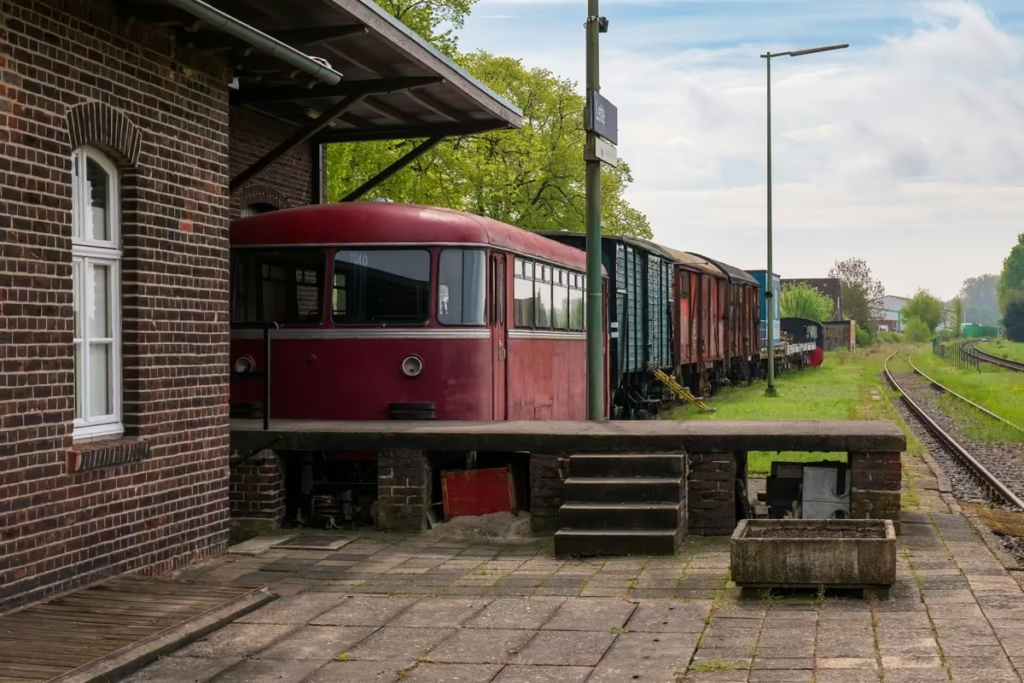
The National Orphan Train Complex is housed in the restored Union Pacific depot, a handsome brick building from the early twentieth century. It’s the museum and research center for the whole movement, not just for Kansas. Inside you’ll find exhibits on how placing out worked, the agencies that ran it and the children who rode, with photographs, small belongings, letters and recorded memories.
Give yourself at least two hours. The displays aren’t huge, but the stories slow you down. I watched one older man stand in front of a single photograph for ten minutes, and nobody hurried him.
If you’re researching a rider
The complex also runs a research center that holds files on many riders and collections gathered by rider groups over the decades. If you’re tracing someone in your own family, contact the staff before your trip.
Tell them the rider’s names, both birth and adopted if you know them, and any dates or towns. They can tell you what they hold and how long a search might take. Arriving with your notes in order will make the visit far more useful.
The statues around town
Pick up a map of the rider statues and walk the route. Each bronze represents a real rider, with a plaque telling where they came from and where they went. It’s an easy walk of an hour or so, and it turns the downtown into a kind of open-air chapter of the museum.
Make a day of it
Concordia is worth more than a single stop.
- The Brown Grand Theatre. A grand old opera house from 1907, restored and still used for performances. If it’s open for tours, take one.
- The Cloud County Historical Society Museum. A classic county museum with farm tools, household goods and local history, a good companion to the depot.
- The surrounding depots. Many small towns along the old rail lines in Kansas and Nebraska still have their depots, some turned into local museums or community halls. Driving the back roads between them gives you a feel for the distances riders traveled and the towns where many of them grew up.
Before you go
Hours change with the seasons and some days the museum is closed, so check before you set out.
Concordia also holds an annual celebration of the orphan train riders, and the town is busy that weekend.
If you want quiet time with the exhibits, choose another date. If you want to meet riders’ families and hear their stories, that weekend is exactly the time to go.
Bring a notebook. Everyone I’ve taken there has left wanting to write something down.