
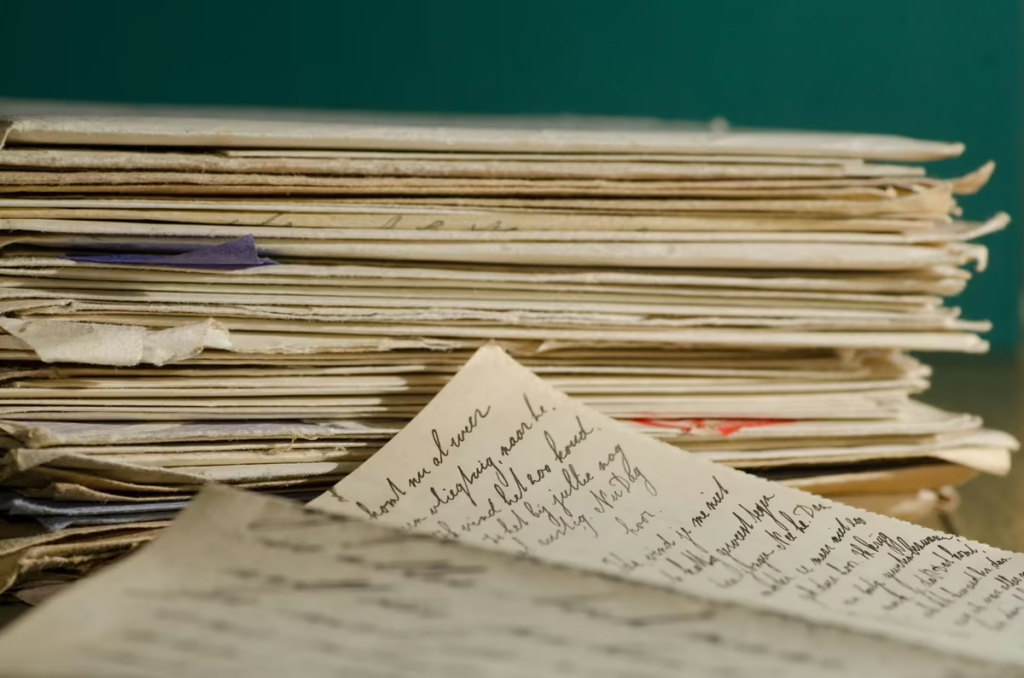
The question arrives in our inbox more than any other: where is the list? People expect a ledger somewhere with every child’s name, the train they rode and the family who took them. I wish it existed. It does not, at least not in one place. The two big New York agencies kept their own files, other cities ran their own programs, and local committees kept whatever they kept, which was sometimes nothing at all.
What does exist is a set of overlapping records. Used in the right order, they usually get you to a name, and often to a family the rider never knew.
Start with what the family already holds
Before writing to any archive, gather everything at home. Look for a small card or certificate from the placing agency, letters from an agent, a Bible entry with an odd birthplace, an obituary that mentions “came to Kansas as a boy,” or a photograph of a group of children with a handwritten date. Write down every name the rider used. Many were renamed by the family who took them, and the original name is the one the agency filed them under.
Read the census closely
The federal census is the cheapest record you will ever use, and for riders it is unusually revealing. Look at how the child is listed in the household in the years after their arrival. Words like boarder, ward, servant, laborer, adopted son or adopted daughter all tell you something. So does a birthplace given as New York when everyone else in the house was born locally. Track the same child across two or three census years and you can often narrow the arrival to a window of a few years.
Look for the arrival in the local paper
Towns announced parties in advance and often reported on them afterward, sometimes listing the children and the families who took them. Check the newspapers for the county seat and any small weekly papers nearby, in the months around the window you found in the census. Many have been digitized; many more sit on microfilm at the local library or the state historical society.
Write to the agency that placed them
If you know or suspect which agency sent the child, contact it directly.
- Children’s Aid Society children. The Society’s historical records are held in New York, and access for descendants is handled through a request process. Expect to show your relationship to the rider.
- New York Foundling children. The Foundling still exists as an agency and handles requests from riders and their descendants itself.
- Other agencies. Boston, Philadelphia, Chicago and other cities had their own placing-out programs. A birthplace or a church affiliation in the census is often the clue to which one.
Policies on who can see what change over time, and some files are closed by state law, so ask first and be patient. A reply can take months.
Check the county courthouse
Some placements were formalized with an indenture, a guardianship or an adoption filed in the county where the family lived. Adoption records are often sealed and may need a court order to open, but indentures and guardianship files sometimes sit in the regular probate records. Ask the clerk what survives for the years you need.
Ask the museum in Concordia
The National Orphan Train Complex in Concordia, Kansas, keeps files on many riders, collections donated by earlier rider groups, and staff who have helped families with exactly this search for years. They cannot hold records that never reached them, but they often know where else to look, and they hear about new finds before anyone else.
Keep a log as you go
Note every place you searched, what you asked for and what came back, including the searches that found nothing. A negative result is still a result. Six months from now, when a letter finally arrives from New York, you will want to know which name and which date you gave them.